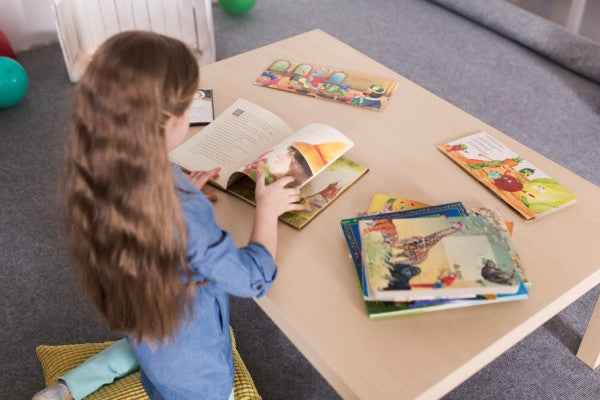
7 Things Kids Absorb from Children’s Storybooks Without Realizing It
Storytime often feels simple. We sit down, open a book, and read a few pages before bed or during a quiet afternoon. Children laugh, listen, and enjoy the pictures. What’s easy to miss is how much their minds are working during those moments.
Children’s storybooks do far more than tell a tale. They shape how kids understand feelings, relationships, choices, and the world around them. Long after the book is closed, the lessons stay with them in ways that feel innate, not taught.
What Children Start Learning Through Children’s Storybooks
Children learn best when they feel safe, relaxed, and engaged. That’s exactly what reading at home with colorful books does for them. Children learns some of the most important life skills by reading those storybooks, some of which are discussed below:
1. Emotional Intelligence
Storybooks help kids understand emotions before they know how to explain them. Characters feel nervous, proud, excited, or disappointed, and children recognize those feelings because they experience them too.
Stories help by showing emotions clearly and calmly. Kids learn that feelings don’t need to be ignored or rushed away. They can be noticed and handled.
Here’s what children absorb over time:
• Emotions have names and reasons.
• Strong feelings don’t last forever.
• It’s okay to talk about how you feel.
This emotional awareness supports better behavior and fewer emotional outbursts because children begin to recognize what’s happening inside them.
2. Communication Skills
Children’s storybooks teach children how communication works in everyday life. Dialogue between characters shows how people speak, listen, and respond to one another.
As we read together, kids pick up:
• How conversations move back and forth.
• How tone can sound kind, curious, or firm.
• How words are used to explain thoughts.
Unlike drills or flashcards, story language grows naturally. Children hear full sentences used in context, which helps them express ideas more clearly in honest conversations at home and school.
3. Love for Reading and Learning
When reading feels warm and enjoyable, children connect books with comfort rather than pressure. That connection matters more than early reading speed.
Children’s storybooks help build:
• Focus during quiet activities.
• Curiosity about what happens next.
• A habit of listening and thinking.
When kids enjoy stories, they become more open to learning in general. Reading turns into something they choose, not something they’re pushed to do.
4. Confidence and Self-Belief
Many children’s characters don’t start brave or skilled. They hesitate, make mistakes, and learn as they go. Children see themselves in these moments.
Stories quietly show that:
• Being unsure doesn’t mean failing.
• Progress can be slow and uneven.
• Effort matters more than being perfect.
This builds confidence in a realistic way. Kids begin to trust themselves because they’ve seen characters succeed without being flawless. That belief carries into schoolwork, friendships, and new experiences.
5. Moral Decision-Making
Instead of rules, tales in children’s storybooks show choices. Characters face decisions and live with the outcomes. Children follow those moments closely.
Through these examples, kids learn:
• Actions lead to results.
• Fairness affects others.
• Honesty builds trust.
Because these lessons are shown through story events, children absorb them without feeling corrected.
6. Understanding the World
Storybooks introduce children to situations they haven’t experienced yet. Different settings, routines, and relationships become familiar through stories.
Kids learn about:
• Family structures and friendships.
• Community roles and shared spaces.
• New environments and routines.
This exposure builds comfort with the unfamiliar. Instead of reacting with fear, children develop curiosity and openness toward new experiences.
7. Problem-Solving Skills
Every good story includes a challenge. Something doesn’t go as planned, and the character has to figure out what to do next.
Children’s storybooks teach kids that:
• Problems are a normal part of life.
• Trying again is part of solving things.
• Thinking calmly leads to better outcomes.
These ideas help children approach real-life problems with patience.
How Parents Can Reinforce These Lessons Without Lecturing
Stories already do the hard work. Parents don’t need to explain every message for learning to happen.
Simple ways we support story learning include:
• Asking open questions like “What do you think happens next?”
• Letting kids retell the story in their own words
• Re-reading favorite books without changing the message
It also helps to avoid turning stories into lessons. When children feel free to enjoy the story, the learning happens naturally and sticks longer.
Conclusion
Children’s storybooks shape more than imagination. They influence emotions, thinking, and values in quiet, lasting ways. Kids may not remember every detail of a story, but they remember how it made them feel and what it showed them about the world. That’s why choosing thoughtful stories matters. Whether it’s bedtime, a rainy afternoon, or a quiet break in the day, the stories you choose can gently support the lessons kids carry into real life.
So, head over to Warren Robinson’s online book store and select the perfect one for your pal.
FAQs
At what age do kids start absorbing lessons from stories?
Most children begin absorbing simple story lessons between ages 2 and 3, when they can follow basic plots and recognize emotions. As language and attention improve, these lessons deepen through preschool and early elementary years.
How can parents choose meaningful children’s storybooks?
Look for stories with clear characters, thoughtful situations, and age-appropriate themes. Books that feel honest and relatable tend to support learning without needing extra explanation.
Why do kids want the same story read again and again?
Repetition helps children feel secure and understand details more deeply. Each reading strengthens memory, emotional comfort, and understanding of the story’s events.
Does it matter where or how stories are read at home?
Yes. Calm and consistent reading environments help children focus and feel secure. When reading feels unrushed and familiar, kids are more likely to engage and absorb what the story presents.
How do children’s storybooks differ from digital entertainment for young children?
Storybooks encourage interaction, reflection, and shared attention. Unlike fast-paced media, stories move at a child’s pace, allowing time to think and process what’s happening.