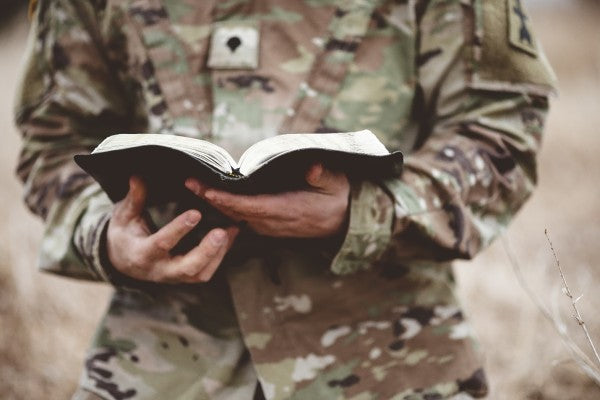
The Writing Secrets Behind Best Sellers Military Memoir Books
Military memoirs do not become best sellers because of loud battles or dramatic claims. They succeed because they tell honest human stories that stay with readers long after the last page. The strongest memoirs are built on memory, reflection, and lived experience.
Readers are not looking for strategy lessons or history charts. They want to understand what it felt like to serve, to wait, to fear, and to remember. This blog explains the fundamental writing principles behind best seller’s military memoir books that continue to earn trust, attention, and a lasting readership.
What Makes Best Sellers' Military Memoir Books Stand Out from the Rest
Below are the writing principles that consistently shape memoirs readers return to and recommend:
1. Focus on the Human Story, Not Just the War
War provides the setting, but people carry the story. The most respected military memoirs center on everyday human experience rather than constant action.
Readers connect to:
• Fear before the unknown.
• Bonds formed between soldiers.
• Long periods of waiting and routine.
• Thoughts about home and family.
By focusing on individuals rather than events, memoirs help readers see service members as genuine people. This approach builds empathy and keeps the story grounded in lived reality rather than spectacle.
2. Clear, Accessible Storytelling
Military memoirs reach a wider audience when they are written for everyone, not just those who served. Clear language helps bridge the gap between military life and civilian understanding.
Best-sellers military memoir books rely on:
• Straightforward sentence structure.
• Limited use of acronyms.
• Explanations are placed naturally in the story.
• A steady pace that respects attention spans.
When readers never feel lost, they stay engaged. Clarity also builds trust, which is essential for memoirs based on real experiences.
3. Strong Sense of Place and Time
Setting matters because it shapes every decision, emotion, and outcome. Best-selling memoirs clearly ground readers in a specific place and period without turning the story into a geography lesson.
Effective use of place includes:
• Weather and terrain conditions.
• Living environments and routines.
• Cultural surroundings and local details.
• How the setting affected morale and behavior.
These details in a best-sellers military memoir book help readers feel present without overwhelming them. The place becomes an integral part of the experience rather than a mere backdrop.
4. Reflection and Meaning After the Events
Military memoirs are not written to relive the moment. They are written to understand it. Reflection allows authors to connect past actions with long-term impact.
This section of a memoir often explores:
• How service changed personal values.
• Lessons learned years later.
• The cost of decisions made under pressure.
• What memories still carry weight.
Reflection gives purpose to memory. It demonstrates growth and offers readers insight rather than judgment.
5. Universal Themes That Attract a Wide Audience
Memoirs that reach beyond a niche audience do so by focusing on shared human themes. These themes help readers relate, even if they lack military experience.
Common themes include:
• Loyalty and responsibility
• Fear and resilience
• Loss and remembrance
• Identity shaped by experience
These ideas allow readers to see their own lives reflected in unfamiliar settings. That connection is why the best-sellers military memoir books continue to matter across generations.
6. Author Credibility and Lived Experience
Credibility is built through firsthand service and honest storytelling. Readers recognize when an author writes from memory rather than imagination.
Credible memoirs show:
• Respect for shared experiences.
• Awareness that no two stories are identical.
• Responsibility when telling real events.
• A balance between personal voice and humility.
The Difference Between a Memoir and a War History
A military memoir and a war history serve different purposes. History explains what happened. Memoir explains what it felt like. While history focuses on battles, strategies, and outcomes, a memoir centers on daily experiences, fear, leadership pressure, and personal loss.
Key differences include:
• Memoirs focus on one perspective, not full campaigns.
• Emotional truth matters more than timelines.
• Personal memory guides the story.
• Reflection replaces analysis.
Even a best-sellers military memoir book does not replace history books. They complement them by adding the human layer that statistics cannot provide. Through firsthand accounts, readers understand morale, mental strain, and the long-lasting impact of war on individuals beyond the battlefield.
Conclusion
Military memoirs succeed because they respect truth, memory, and the reader. They tell personal stories with clarity, reflection, and care. At Warren Robinson Books, we believe these stories matter because they preserve real voices and lived experiences. If you value honest accounts of service and reflection shaped by time, check our book collection. Each best-sellers military memoir book is written with purpose, remembrance, and respect for the stories that deserve to be read and remembered.
FAQs
What makes military memoir books become best sellers?
They succeed through honesty, clear storytelling, and emotional connection. Readers trust memoirs that focus on personal experience rather than exaggeration, allowing them to understand service through real human moments.
Are military memoirs only meant for veterans?
No. Many readers are civilians who want to understand the service, history, or family experiences of others. Military memoirs help bridge generational and cultural gaps through personal storytelling.
What responsibility does a memoir author have when telling real stories?
Memoir writers carry the responsibility of accuracy, respect, and restraint. They must honor shared experiences, avoid exaggeration, and remember that their story also represents others who lived through similar moments.
Are best-selling military memoir books always written by veterans?
Veterans write some of the most respected military memoirs because their firsthand experiences add credibility. Lived service allows authors to write with accuracy, reflection, and responsibility toward shared memories.
Why are military memoirs often written years after service ends?
Time allows perspective. Distance from events helps authors reflect clearly, process meaning, and write with honesty rather than reaction. This reflection strengthens the narrative and provides readers with a deeper insight.